Long COVID Vision Symptoms in Markham
Explore assessment and personalized neuro-optometric care for visual difficulties that continue after COVID, including blurred vision, dizziness, light sensitivity and screen intolerance.

Has Your Vision Felt Different Since COVID?
For some people, recovering from COVID takes longer than expected. Symptoms such as fatigue, headaches, dizziness, brain fog and difficulty concentrating may continue for weeks or months. These ongoing concerns are often described as Long COVID or post-COVID condition.
Long COVID may also affect the way your eyes and brain work together. You might still be able to read an eye chart clearly but struggle with screens, reading, driving, movement or visually busy environments.
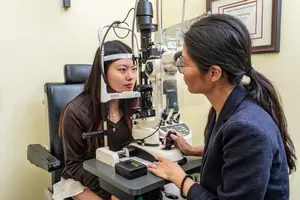
At Warden Optometry, we assess more than how clearly you can see. Our neuro-optometric approach examines how your visual system functions during everyday activities. When a visual problem is identified, we can recommend personalized care to help you use your vision more comfortably and efficiently.
Visual Symptoms That May Continue After COVID
Post-COVID visual symptoms can vary widely. They may remain consistent, appear only during demanding activities or become more noticeable when you are tired.
Possible symptoms include:
- Blurred or fluctuating vision
- Difficulty focusing at near or far distances
- Eye strain or visual fatigue
- Headaches during reading or computer use
- Double or overlapping vision
- Sensitivity to light
- Difficulty tolerating phones, tablets or computer screens
- Losing your place while reading
- Needing to reread the same line
- Reduced reading or working stamina
- Dizziness in grocery stores, crowds or other busy spaces
- Discomfort when scrolling or watching moving images
- Difficulty judging depth or distance
- Feeling unsteady while walking
- Trouble concentrating during visually demanding tasks
These concerns are not always caused by a change in your glasses prescription. They may involve focusing, eye teaming, tracking, visual processing or the way vision interacts with balance and movement.
Because similar symptoms can have several possible causes, a detailed eye health and functional vision assessment is important.
Why Can Long COVID Affect Vision?
Vision is a whole-brain process. Your eyes collect visual information, but your brain must organize and interpret that information before you can read, move through a room or judge where objects are located.
When this system is not working efficiently, ordinary activities can require much more effort. Reading an email, following movement on a screen or walking through a busy store may lead to fatigue, dizziness, headaches or difficulty concentrating.
A standard eyesight test may not fully measure these functional visual skills. That is why someone can have “20/20 vision” and still feel that their vision has not returned to normal.
How Warden Optometry Can Help
Warden Optometry provides neuro-optometric care for people experiencing visual difficulties after COVID, concussion, brain injury, stroke or whiplash.
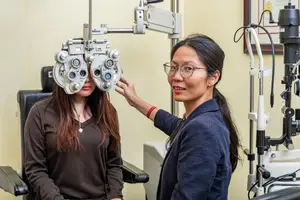
A neuro-optometric assessment looks at how your eyes and brain work together during real-life activities. Depending on your symptoms, we may evaluate:
- Visual clarity and eye health
- Eye focusing ability and endurance
- Eye teaming and alignment
- Eye tracking and movement control
- Depth perception
- Peripheral awareness
- Visual information processing
- Sensitivity to visual motion
- The relationship between vision, dizziness and balance
Once we understand which parts of the visual system may be contributing to your symptoms, we can explain the findings and discuss appropriate next steps.
Your Recommendations May Include
- An updated or task-specific lens prescription
- Therapeutic lenses or prisms
- Strategies for managing light sensitivity
- Screen and workspace modifications
- Personalized neuro-optometric rehabilitation
- In-office vision therapy
- Short, structured activities to complete at home
- Coordination with other members of your healthcare team
Treatment does not cure Long COVID itself. The goal is to identify and address specific visual problems that may be making reading, screen use, movement, driving or other daily activities more difficult.
Dr. Yan Ling Liang is a Fellow of the Neuro-Optometric Rehabilitation Association and provides neuro-vision rehabilitation for patients with post-COVID visual dysfunction. She has also published research concerning eye-focusing dysfunction and treatment following COVID-19. Meet Dr. Yan Ling Liang.
What to Expect at Your Assessment
We Listen to What Has Changed
Your appointment begins with a detailed discussion of your symptoms and medical history. We may ask about:
- When your symptoms began
- Whether they change throughout the day
- Which activities make them worse
- How long you can read or use a screen comfortably
- Whether you experience dizziness or balance problems
- Your current medications
- Previous eye, neurological or rehabilitation assessments
- The demands of your work, school or daily routine
Bringing a written symptom list can help, especially if your symptoms fluctuate or are difficult to describe.
We Assess Your Eye Health and Visual Function
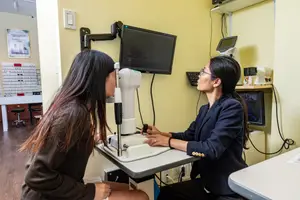
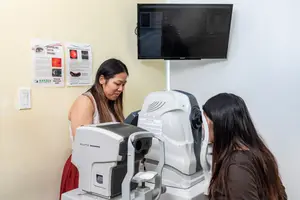
Your testing may include an examination of your eye health along with a more detailed assessment of focusing, tracking, eye coordination, depth perception and visual processing.
Testing can be adjusted to your comfort and symptom tolerance. Let us know if you need a break or if a particular activity makes your symptoms worse.
We Explain the Findings Clearly
After the assessment, we explain what we found and whether a functional visual difficulty may be contributing to your symptoms.
You will have an opportunity to ask questions and learn about the available care options. If treatment is recommended, we will outline a plan based on your findings, tolerance and personal goals.
We Personalize Your Care
There is no single treatment plan for everyone with post-COVID vision symptoms. Care may need to begin gradually and change as your abilities improve.
We monitor your progress and adjust the plan when necessary. When appropriate, we can also communicate with your family doctor, occupational therapist, physiotherapist or other healthcare providers.
Frequently Asked Questions
Can Long COVID affect my vision?
Some people report blurred vision, difficulty focusing, light sensitivity, headaches, dizziness or problems tolerating screens after COVID. An assessment can help determine whether an eye health or functional visual problem may be contributing to your symptoms.
Why did my regular eye test seem normal?
A standard eye test may show that your eyesight is clear and your eyes are healthy. However, it may not fully assess tracking, focusing stamina, eye teaming, visual motion sensitivity or the way your visual system interacts with balance.
Do I need a referral?
You can contact Warden Optometry directly to request a consultation. When booking, let our eye care team know that you are experiencing visual symptoms following COVID.
What should I bring to my appointment?
Please bring your current glasses, a medication list and any relevant medical or rehabilitation reports. A list of the activities that trigger your symptoms can also help us understand how the problem affects your daily life.
How long does neuro-optometric rehabilitation take?
The length and frequency of care depend on your assessment findings, symptoms, health, goals and response to treatment. We will discuss the recommended plan after completing your assessment.
Is treatment the same as regular vision therapy?
Neuro-optometric rehabilitation may include elements of vision therapy, but the programme is designed around visual changes associated with neurological illness or injury. Activities are selected and adjusted according to your symptoms and tolerance.
Is neuro-optometric care covered by insurance?
Coverage varies by provider and individual plan. We recommend contacting your insurance company directly to ask about coverage for optometric assessments, prescribed lenses and vision therapy or neuro-optometric rehabilitation.
When should I seek urgent medical care?
Seek immediate care for sudden vision loss, a new curtain or shadow in your vision, severe eye pain, sudden double vision or visual symptoms accompanied by weakness, numbness, facial drooping or difficulty speaking.
Take the Next Step Toward More Comfortable Vision
You do not have to ignore ongoing visual symptoms simply because your initial eye test appeared normal.
At Warden Optometry, we take the time to understand what has changed, assess how your eyes and brain are working together and explain your options clearly. If Long COVID has made reading, screen use, movement or other daily activities more difficult, a neuro-optometric assessment may help identify why.
Contact our Markham team to discuss your symptoms and determine the appropriate next step.