How Motion Sickness & Vision Connect
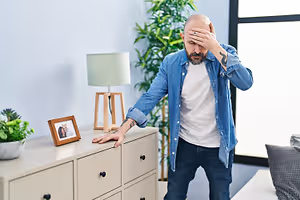
You settle into the passenger seat, glance down at your phone, and within a few minutes you start feeling queasy. Maybe reading in the car has always bothered you. Maybe busy stores, scrolling screens, or long stretches of close work also leave you with a headache or an unsettled feeling.
Motion sickness has several possible causes, and a vision problem is only one piece worth considering. Starting with a comprehensive eye exam at Warden Optometry and Neuro Vision, we can look at how the eyes respond to visual demands to determine the source of your symptoms.
Helping the Brain Process Movement
Motion sickness often develops when the brain receives sensory information about movement that does not line up well. Your eyes, inner ears, and body all help tell your brain where you are and how you are moving.
For example, when you read inside a moving car, your eyes may focus on a page or screen that appears still while your inner ear senses turns, bumps, and acceleration. Researchers commonly describe this as a sensory conflict between visual and vestibular information. The vestibular system is the part of the inner ear and brain involved in balance and spatial orientation.
Symptoms can include nausea, dizziness, headache, trouble concentrating, blurred vision, or eye strain.
Those symptoms do not automatically point to an eye condition. The pattern of your symptoms helps determine whether a closer look at visual function makes sense.
When Could Vision Be Part of the Picture?
Some patterns may give your eye doctor more reason to examine those skills.
Symptoms Appear With Close Visual Work
Pay attention to whether car sickness comes with discomfort during other visually demanding activities.
A binocular vision assessment can examine how the two eyes coordinate, focus, and track during tasks that place more demand on the visual system.
Busy Visual Scenes Feel Uncomfortable
Some people feel dizzy, disoriented, or uncomfortable in places with a lot of visual movement. Grocery store aisles, crowds, traffic, fast-moving video, or scrolling screens are common examples.
This type of visual-motion sensitivity can have different causes. Adult neuro-optometric care may include testing of visual-motion responses, eye coordination, tracking, focusing, and spatial awareness when those symptoms fit the patient's history.
Symptoms Follow an Injury
Motion sensitivity deserves a different type of attention when it begins after a concussion, whiplash, car accident, stroke, or other neurological event. Dizziness, headaches, light sensitivity, and trouble with visually busy settings can occur after these events.
Neuro-optometric rehabilitation at Warden Optometry and Neuro Vision focuses on visual function after injury when exam findings support that type of care.
What Can a Vision Assessment Tell You?
The goal of an assessment is to understand what your visual system is doing during the tasks that bother you.
Testing may look at eye alignment, eye teaming, focusing, tracking, and other visual skills. If a specific functional vision problem appears during the exam, your eye doctor can explain whether it may relate to the symptoms you described.
The next step depends on those findings. Some patients may need an updated prescription. Others may be candidates for prism lenses or vision therapy. Some may need care from another health professional when the symptoms point beyond the visual system.
That distinction matters because there is no single vision-based explanation or treatment for everyone who gets carsick.
Get Answers About Motion Sensitivity in Markham, ON
Car sickness is common, and vision is one of several systems involved in how the brain processes movement. When motion sensitivity appears alongside headaches, near-work strain, dizziness, trouble with busy visual scenes, or symptoms after an injury, a vision assessment can help clarify whether eye function contributes to the picture.
If motion sensitivity keeps interfering with travel or daily tasks, request a consultation to discuss the symptoms and the type of assessment that may fit your needs.
Frequently Asked Questions
Can Children Be Assessed for Motion Sensitivity?
Yes. If a child regularly becomes carsick and also reports visual discomfort, share the full symptom pattern with their eye doctor. The appropriate testing depends on the child's age, history, and exam findings.
Can Virtual Reality Trigger Similar Symptoms?
Yes. Visual movement on a screen or in virtual reality can trigger symptoms in some people even when their body stays still. Researchers refer to related symptoms as visually induced motion sickness or cybersickness.
Will New Glasses Stop Car Sickness?
A new prescription may help if uncorrected vision contributes to visual strain, but glasses aren't a general treatment for motion sickness. An eye exam can determine whether prescription changes or other visual factors need attention.