
Neuro-Optometric Rehab for Concussion, Brain Injury & Post-COVID Care
We help patients recover from concussion, brain injury, and post-COVID vision problems with personalized Neuro-Optometric Rehab programs that restore comfort and focus.
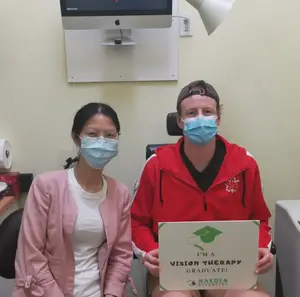
What Is Neuro-Optometric Rehab?
Neuro-Optometric Rehab is a specialty area of optometry that retrains how the eyes and brain work together after trauma or illness. Patients often come to us with double vision, dizziness, headaches, light sensitivity, or difficulty reading following a concussion, whiplash, stroke, or long COVID. Unlike routine eye exams, Neuro-Optometric Rehab addresses the functional problems that make everyday life, like walking in a store, using screens, or driving, exhausting or overwhelming.
Symptoms of Neuro-Optometric Rehab We Commonly Treat
Patients who benefit from Neuro-Optometric Rehab often experience:
- Persistent dizziness or imbalance
- Double vision or blurred vision
- Headaches triggered by reading or screens
- Difficulty concentrating at work or school
- Sensitivity to light or motion
- Visual fatigue after concussion or illness
If you or a loved one has these symptoms, Neuro-Vision Rehab may provide the relief you’ve been searching for.
Dizziness can result from a poor integration of the visual and vestibular systems. Neuro-Optometric Rehabilitation can help to recover it.
Our Approach to Neuro-Optometric Rehab
We use advanced assessments to identify how your visual system is functioning, then design a program that may include in-office therapy, home-based activities, and, in some cases, syntonic light therapy.
Dr. Yan Ling Liang brings fellowship-level training and has published research on post-COVID vision dysfunction, making her the first provider in Markham with a Neuro-Optometric Rehabilitation fellowship.
Families appreciate that she explains results clearly in English, Cantonese, or Mandarin, ensuring patients feel supported and understood.
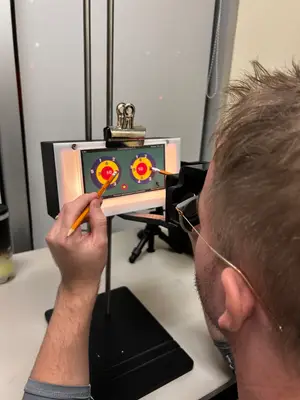
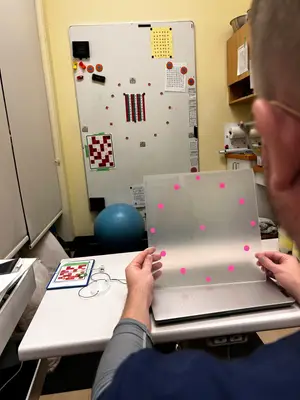
Neuro-Vision Rehab & Neuro-Optometry: What’s the Difference?
Patients and providers sometimes use the term Neuro-Optometry when talking about vision care after brain injuries or neurological conditions. At Warden Optometry, we use the term Neuro-Vision Rehab because it better reflects our focus on recovery, function, and quality of life. In practice, the two terms often overlap: both describe care for patients with visual problems following concussion, traumatic brain injury, stroke, whiplash, or post-COVID inflammation.
Dr. Yan Ling Liang has fellowship-level training in this field and is completing her Level 3 requirements, including published research on post-COVID visual dysfunction. This expertise places Warden Optometry among the few clinics in the GTA offering specialty-level Neuro-Vision Rehab care. Whether you hear it called Neuro-Vision Rehab or Neuro-Optometry, our goal remains the same: to restore comfort, improve focus, and give patients the tools to return to school, work, and everyday activities with confidence.
Neuro-Optometry FAQ
Find answers to common questions about dizziness, vertigo, and vision challenges after concussion or brain injury. These insights can help you understand your symptoms and guide you toward recovery options through neuro-optometric rehabilitation.
If you’ve experienced dizziness or vertigo after a concussion, it’s important to have both your neck and visual systems evaluated. Whiplash or vestibular imbalance may contribute to dizziness or disorientation. Neuro-optometric rehabilitation with a neuro-optometrist and vestibular therapy with a physiotherapist can help your brain and body work together again, reducing symptoms and restoring stability.
Morning vertigo can result from positional changes affecting your vestibular system or visual instability from an underlying concussion-related issue. Try moving slowly when getting up, and avoid sudden head turns. If vertigo persists, schedule an evaluation with a neuro-optometrist or vestibular specialist to determine the cause and begin appropriate treatment.
A full recovery plan should address all areas affected by the injury. This may include a nutrient-rich diet to support brain healing, neuro-optometric rehabilitation therapy to restore visual processing, and vestibular or neck therapy to improve balance and reduce tension. Rest, hydration, and gradual return to activity are also essential parts of recovery.
Yes. Vertigo can appear weeks or even months after a concussion if the brain, vestibular, or visual systems haven’t fully healed. Persistent or delayed vertigo often indicates a lingering imbalance between the visual and vestibular systems — something that neuro-optometric therapy can effectively address.
Post-concussion dizziness and brain fog are common and can persist for several weeks. These symptoms may be caused by disrupted communication between your eyes, inner ear, and brain. Early evaluation by a neuro-optometrist helps determine whether visual processing issues are contributing to these sensations and provides targeted exercises to promote recovery.
In most cases, yes — dizziness and imbalance after a concussion improve with the right treatment plan. Neuro-optometric rehabilitation, combined with vestibular therapy and lifestyle adjustments, can retrain your brain to process movement and vision correctly again. Consistency and patience are key to recovery.
Many people continue to see progress months after their concussion. Healing from a brain injury is not always linear, and some symptoms can take longer to resolve. With the right combination of neuro-optometric, vestibular, and physical therapies, along with proper nutrition and rest, improvement is very possible — even after several months.
Repeated concussions can make dizziness and light sensitivity harder to overcome. Neuro-optometric therapy focuses on retraining your visual and balance systems to work together again. A gradual, structured rehabilitation plan — often in collaboration with vestibular and physical therapists — helps minimize symptoms and improve stability during movement.
If vestibular therapy alone hasn’t fully resolved your symptoms, the cause may be related to a visual-vestibular mismatch. Neuro-optometric rehabilitation can help align how your eyes and inner ear process movement and balance. Working with both a neuro-optometrist and vestibular therapist often provides the best results.
Even after a year, it’s not too late to see improvement. Persistent post-concussion symptoms often stem from untreated visual or neurological issues. A neuro-optometric assessment can identify visual processing or eye coordination problems that may be prolonging recovery. With consistent therapy and a personalized plan, many patients experience relief and regain confidence in daily activities.