
Full Eye Exams by a Markham Optometrist
Our eye exams combine advanced technology and personal care, giving families clear answers, accurate prescriptions, and early detection of vision-threatening conditions.
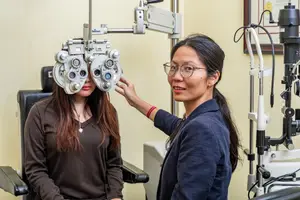
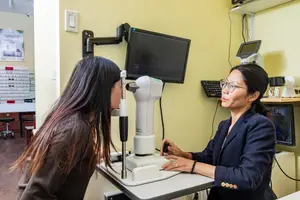
Eye Exams Built Around Your Family’s Needs
Parents rely on us to monitor their children’s vision development and guide them through options like myopia management.
Adults come to us for accurate prescriptions and early detection of issues that could affect work and daily life. Seniors trust us for ongoing monitoring of conditions such as glaucoma, macular degeneration, and diabetic eye disease.
Each exam is a partnership. We explain every result, answer every question, and ensure you leave feeling confident about your eye health.
Advanced Technology & Fellowship-Level Expertise
Our exams go far beyond the basics. Using retinal imaging, OCT scans, visual field testing, and axial length biometry, we can detect changes before symptoms appear.
Dr. Yan Ling Liang brings fellowship-level training in vision rehabilitation and published research in post-COVID vision dysfunction, combining advanced science with compassionate care.
This specialist approach means your exam isn’t just routine, it’s proactive, thorough, and designed to protect your vision for the future.
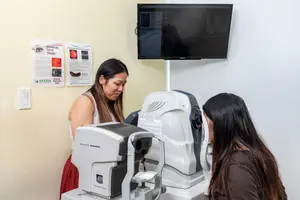
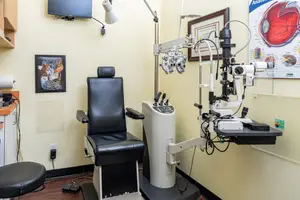
What to Expect at Your Next Vision Test
We review your medical and family history, measure visual clarity, check eye coordination, and use advanced imaging such as retinal photos and OCT scans to detect issues early.
How often you need an exam depends on your age and health:
-
Children: First exam at 6 months, again at age 3, then yearly once in school.
-
Adults: Every 1–2 years for vision and eye health monitoring.
-
Seniors or patients with diabetes, glaucoma, or cataracts: More frequent visits for early detection and treatment.
Our team explains your results in clear language, answers your questions, and creates a personalized care plan to protect your long-term vision.